Skip to content
Trail&Pass
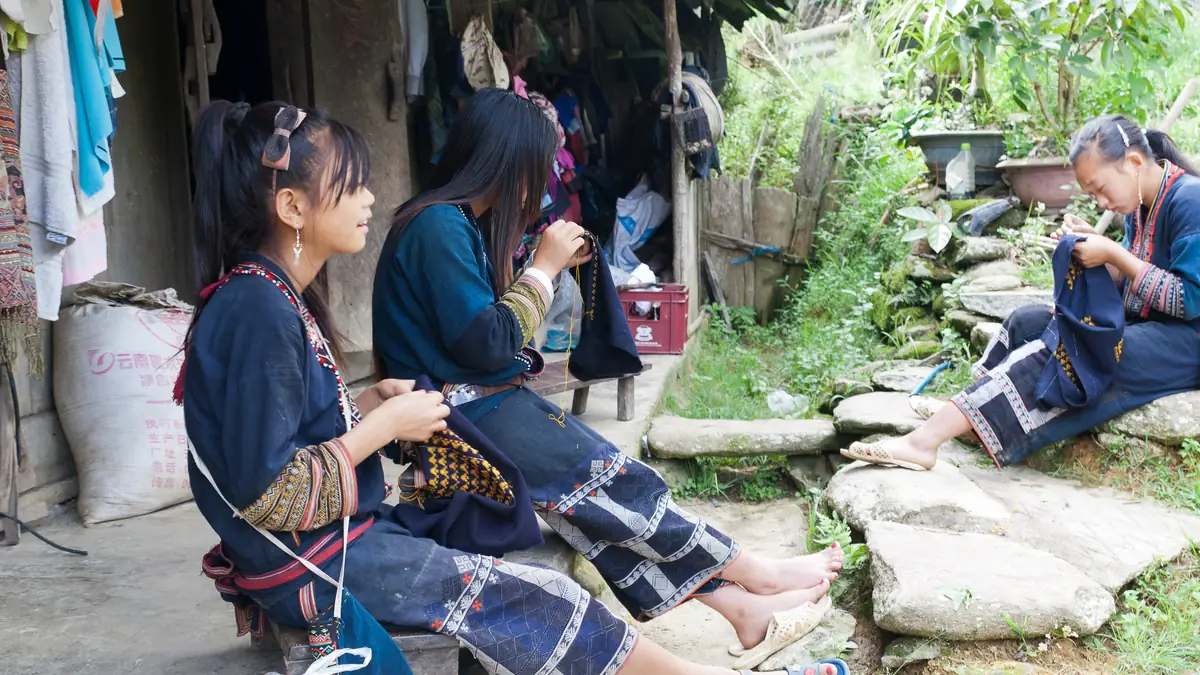
Hmong women in Sa Pa embroidering

Sa Pa · Homestay and preparation

Sapa trekking homestay: four ways to sleep, and what you bring for them

The night is the difference between the packages. “Homestay” means many things in Ta Van: a stilt house with ten mattresses under mosquito nets, a bungalow with its own bathroom and terrace, the house of a Hmong family where you eat and sleep with them – or no village at all, but a hotel in Sa Pa with a drive back. Here is what the 25 packages each mean, what an evening at a homestay is, what you bring, how to behave and what the guide expects.

Editorially checked on 25 September 2026Prices as of 23 September 2026Photo: Ekrem Canli, CC BY-SA 3.0
In short
  • DormStilt house in Ta Van, mattresses on the floor, mosquito net, shared bathroom: Vietnam Travel Top from USD 59, Crossing 117, Vietnam Travel Top night bus 79
  • Private room or bungalowOwn room, often own bathroom: Sapa May, Travel New Land, Crossing, Vietnam Travel Top bungalow, Best Vietnam, Sapa May Fansipan, Indigo – USD 10 to 20 above the dorm
  • The family's houseNot a guesthouse but the kitchen and sleeping room of the guide's family: Vietnam Real Tour (Ta Van), LaLa (Hau Thao), Sapa Original Trek (Dao wooden house), Bau – simple, no room choice
  • Hotel instead of villageTrek by day, night in Sa Pa: Vietnam Travel Top 2 and 3 days hotel, Green 3/4/5 stars, Crossing 3/4 stars – or hotel plus village with the three-day tours
  • BringDaypack, rain jacket, sturdy shoes with grip, a warm layer (October to March), headlamp, cash in dong, earplugs; luggage stays on the bus or at the hotel

Four ways to sleep – and which packages mean which

The dorm in the stilt house is the classic Sa Pa homestay: a wooden house on stilts, upstairs a large room with mattresses in a row, each with mosquito net and thick blanket, downstairs the kitchen and the bathroom with hot water. Vietnam Travel Top calls it “Stilt House (Dorm)”, Crossing “Dormitory”; the rule “2–3 people per room” here means mattresses side by side. You hear the neighbours, the roosters and at five the family. The bungalow or private room stands next to or inside the main house: a room with a door, a bed, often its own bathroom, with Sapa May and Travel New Land at Goong House, with Vietnam Travel Top “with a modern bathroom”. That is USD 10 to 20 more and the difference between sleeping and resting. The family's house is what homestay once meant: Vietnam Real Tour says it clearly – “very basic, no luxury, but real” –, LaLa and Bau sleep at their own parents', Sapa Original Trek in the wooden house of a Dao family with an indigo bath. There are no options and no room choice here, but there is the kitchen. The hotel in Sa Pa replaces the village entirely (Vietnam Travel Top hotel, Green, Crossing) or complements it in the three-day tours that have one night in the hotel and one in the village (Sapa May, Vietnam Travel Top, Travel New Land, Best Vietnam with 4 stars).

What they all share: dinner and breakfast from the family, usually plentiful – rice, vegetables, tofu, chicken or pork, spring rolls, pancakes in the morning – and rice wine, which you may decline. With seven packages cooking is a programme item (Sapa May, Travel New Land, Vietnam Real Tour, Best Vietnam on the third morning); with most others you may help. Drinks other than water cost extra, one to two dollars.

The packages by accommodation

AccommodationPackagesPrice USD (2 people)Bathroom
Dorm in a stilt house, Ta VanVietnam Travel Top (2 d., 3 d. village, night bus), Crossing dorm59–119shared
Bungalow / private room, Ta VanSapa May (2 d., 3 d., Fansipan, from Sa Pa), Travel New Land (2 d., 3 d.), Vietnam Travel Top bungalow, Crossing, Best Vietnam, Vietnam Travel Top night bus65–169own or shared (Crossing private room)
The guide family's houseVietnam Real Tour (Ta Van), LaLa (Hau Thao), Bau, Sapa Original Trek (Dao house, north)39–92shared
Homestay without detailsTrekking Tour Sapa (Ta Van, Ban Ho), David Tran (basic room), Saparis (NaChi), Vietnam Nomad Trails, Green homestay59–170shared
Own room with bathroom in the villageIndigo Trekking65own
Hotel Sa Pa, no villageVietnam Travel Top 2 d. hotel and 3 d. hotel, Green 3/4/5★, Crossing 3/4★89–185own
Camp on the mountainVietnam Nomad Trails Fansipan: hut or tent at 2,800 m, sleeping bag provided137none

Assignment from inclusions lists and option texts, as of 25 September 2026. “Without details”: the operator writes only “homestay”.
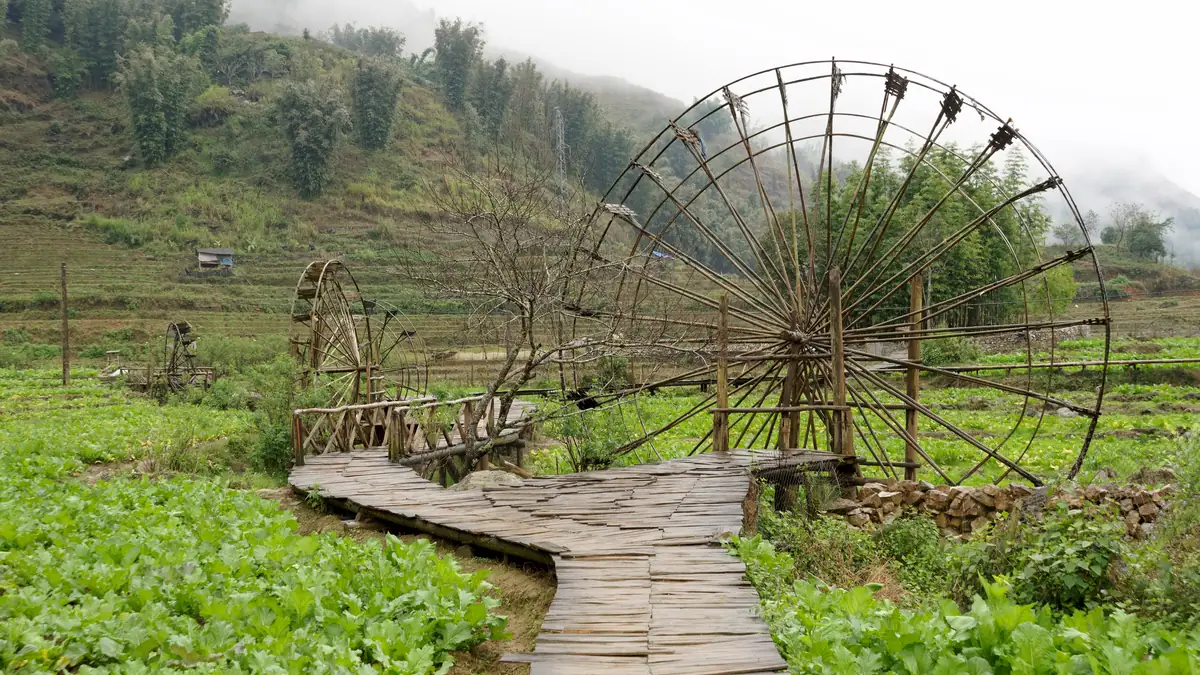
Bamboo water wheels in Cat Cat village
Water wheels in Cat Cat. The village on the edge of town is the first afternoon of the three-day tours – and the reason two-day tours skip it.Photo: Jakub Hałun, CC BY 4.0

The evening in the village: rules nobody writes down

Shoes off at the door, that is the first one. The family cooks from five; if you want to help, ask; if not, sit on the terrace and watch the buffalo. Dinner is at the low table or on the floor, together, with chopsticks; the rice wine comes in small glasses, and “một, hai, ba, dô” means cheers. Declining is allowed, drinking one glass along is polite. By ten it is quiet – the family gets up at five, and the walls are wood. There is electricity, usually Wi-Fi, almost always hot water; in winter the bathroom is cold.

Photos of people only with a question. The Hmong women who have walked with you since Sa Pa are part of the trek: they steady you on slippery bits, plait grass hearts, talk – and at the village entrance they bring out their bags of embroidery. If you will not buy, say so early and kindly, not only at the end; Crossing Vietnam writes literally in its notes that you should learn to refuse. Children get nothing that leads them to beg – no sweets, no money. Tips for the family go on the table in the morning or to the guide for everyone; five to ten dollars per person and day is usual, no operator states it.

Packing list for two days

WhatWhyWho provides it
Daypack 20–25 lLuggage stays on the bus, at the hotel or the office – only essentials go alongVietnam Travel Top drives luggage to the village; Sapa May, Travel New Land, LaLa, Indigo store it
Sturdy shoes with gripClay, wet stones, terrace edges – trainers slipnobody; homestays lend rubber boots in rain
Rain jacket, ponchoRain at any time, daily in summernobody
Warm layer, hatOctober to March cold, in winter 0–10 °C, the houses unheatedVietnam Travel Top and Crossing warn explicitly
HeadlampPower cuts, the way to the bathroom is outsidenobody
Earplugs, sleeping-bag linerDorm, roosters, wooden walls; blankets providedBlankets and mosquito net all; sleeping bag only on Fansipan
Cash in dongDrinks, entrance fees, tips, embroidery – ATMs in Sa Pa “do not always work”Vietnam Travel Top advises it explicitly
Sunscreen, insect repellent, medicinesopen terraces, stream, humidity; pharmacy only in Sa Paoperator notes
Water1–1.5 litres a day; buy more in the villageVietnam Nomad Trails, Saparis, Sapa Original, Trekking Tour Sapa provide it; Vietnam Travel Top on the bus
PassportHomestays register guests; Nomad Trails and Fansipan require it on the tour day–

From operator notes and the usual kit for day stages; not a shopping list.

When the homestay is at its best

September, when the rice turns yellow and the terraces glow until the harvest at the end of the month; April and May, when the fields are flooded and mirror the sky. In summer it is green, hot and wet, pleasant in the village in the evening. From December to February fog lies over the valley, the houses are unheated and the blankets thick – Vietnam Travel Top writes it itself: cold from September to March, foggy from December to March. Around Tet, the New Year festival in early to mid-February, some families close or charge extra (Vietnam Travel Top USD 20, David Tran 50). The month table is on the itinerary page.

Questions about the homestay

Can we get our own room as a couple?

Yes, with all bungalow and private-room options (Sapa May, Travel New Land, Crossing, Vietnam Travel Top bungalow, Best Vietnam, Indigo). Not in the dorms; in the family houses (Vietnam Real Tour, LaLa) usually a curtain or a separate room – ask.

Is the homestay clean?

The guesthouses in Ta Van are set up for guests: mattresses with covers, mosquito net, tiled bathrooms, hot water. The family houses are simpler – Vietnam Real Tour says “very basic” and means it. If you do not want that, take the bungalow or the hotel.

Is there vegetarian food?

Yes, if you say so at booking; Vietnam Travel Top, Vietnam Nomad Trails and the Fansipan trek explicitly ask for it. Tofu, vegetables, rice and eggs are half the food anyway.

Do I have to buy embroidery?

No. The women who walk with you live from it, and a small piece at the end is a fair thank-you for the company – but nobody owes it. What matters is saying early and kindly if you will not buy.

Sources and check status

Show 6 sources
  1. www.viator.com/tours/Hanoi/Sapa-2-Days-1-Night-From-Hanoi-Overnight-in – Vietnam Travel Top: bungalow and stilt-house dorm, room rule, packing notes, cash (Viator Partner API) (accessed 25 September 2026)
  2. www.viator.com/tours/Hanoi/From-Hanoi-Sapa-Real-Experience-2-Day-1-Nig – Vietnam Real Tour: “very basic”, farm work, age recommendation (Viator Partner API) (accessed 25 September 2026)
  3. www.viator.com/tours/Hanoi/From-Hanoi-2-Day-Overnight-Sapa-Tour-by-Lux – Crossing Vietnam: five accommodation levels, note on vendors, packing list (Viator Partner API) (accessed 25 September 2026)
  4. www.viator.com/tours/Sapa/Sapa-Trekking-Hiking-through-Sapa-Valley-wit – Indigo Trekking: own room with bathroom, luggage storage (Viator Partner API) (accessed 25 September 2026)
  5. www.viator.com/tours/Sapa/2-days-authentic-trekking-tour-in-Sapa-Homes – Sapa Original Trek: wooden house of a Dao family, indigo dyeing, herbal bath extra (Viator Partner API) (accessed 25 September 2026)
  6. www.viator.com/tours/Sapa/Sapa-2-Day-Trek-and-1-Night-Homestay-with-Lo – Bau's Sapa Trekking: Hmong family, option texts (Viator Partner API) (accessed 25 September 2026)