- Requirement per operatorSalkantay Trekking: “high level of physical fitness” · Machu Picchu Expeditions: “at least moderate”
- Key dayday 2: Soraypampa 3,900 m → pass 4,630 m → camp ≈ 2,900 m; about 22 km, 6–7 h walking
- Acclimatisationall operators: at least two nights in Cusco (3,400 m) before the start; not in the price
- Fallbackhorse for the climb to the pass: included as an emergency horse with Premium, otherwise paid on site
- Advised againstall operators: pregnant travellers, spinal injuries, cardiovascular conditions
- Emergency equipmentoxygen, first aid, radios, satellite phone: listed by Classic and Machu Picchu Exp.; Short and Premium partly unclear
Effort per stage
Day 1 (easy to moderate, high): three hours almost flat from Challacancha (3,800 m) to Soraypampa (3,900 m), in the afternoon three hours up and back to Humantay Lake (4,200 m). The lake is the first test: 300 m of ascent above 4,000 m. If you have a headache or nausea here, tell the guide in the evening, not the next morning.
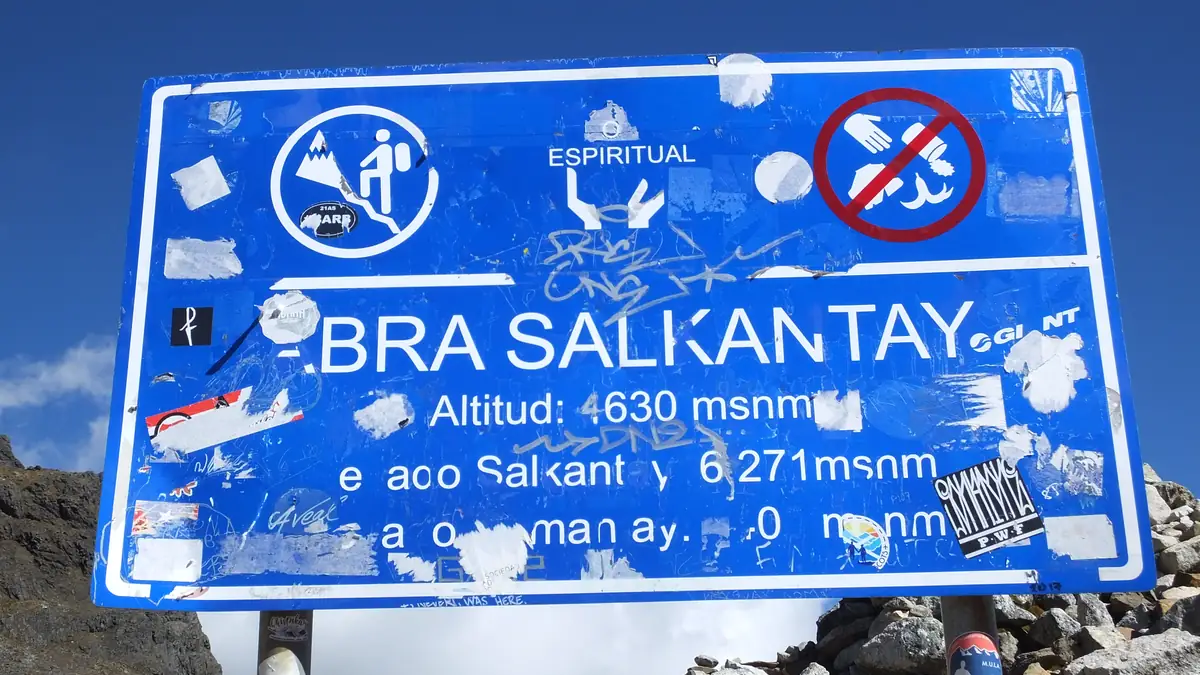
Day 2 (hard): three hours and seven kilometres up to Abra Salkantay (4,630 m), then about 1,700 m of descent via Huayracmachay (3,850 m) to Collpapampa. Cold in the morning, thin air at the pass, knees in the afternoon. Poles help more on the descent than the ascent – with three of the four products they are rental gear.
Day 3 (easy, warm): four to five hours gently downhill through the Santa Teresa valley. The challenge now is heat, humidity and mosquitoes, not altitude.
Day 4 (moderate): two hours up to Llactapata (2,700 m), ninety minutes down to Hidroeléctrica, then three hours flat along the tracks to Aguas Calientes – or the train. The 4-day version skips this day.
Day 5 (easy): bus up, two-hour guided visit of Machu Picchu at 2,430 m, optionally Huayna Picchu or Machu Picchu Mountain (two to three hours, separate tickets).
Altitude: why the two nights in Cusco are a prerequisite, not a suggestion
Cusco is at 3,400 m, the trek's start at 3,800, the pass at 4,630. If you fly in from sea level and start the next morning, your body has had no time to make more red blood cells and adjust its breathing. All four operators therefore write in their product data: at least two days in Cusco before the trek. Salkantay Trekking also holds a briefing at 5 pm the evening before, where you can ask the guide about how you feel.
Typical signs of acute mountain sickness are headache, nausea, loss of appetite, poor sleep and fatigue out of proportion to the effort. The rule of mountain medicine: do not go higher with symptoms, descend if they worsen. On the Salkantay the descent on day two is part of the route anyway, which limits the risk – the pass is a crossing, not a camp.
Preventive medication (such as acetazolamide) is prescription-only and has side effects; whether it makes sense for you is a question for a doctor with travel-medicine experience, not for this page. Coca tea and coca leaves offered at the camps are local tradition, not medicine.
Fitness: what “high” and “moderate” mean here
Salkantay Trekking requires “a high level of physical fitness” for all three variants and calls the trek “challenging”; Machu Picchu Expeditions requires “at least a moderate level” and advises against it for older people without experience of long hikes. Translated: you should be used to six to seven hours of walking with a day pack in one day, manage 700 m of continuous ascent and tolerate 1,700 m of descent in your knees. If you have trained that on hills at home, you are prepared; altitude cannot be trained, only acclimatised.
What helps: four to eight weeks of regular long hikes with climbs, stairs with a pack, broken-in boots. What does not help: ambition at the pass. All operators offer horses for the climb; with Premium an emergency horse to the pass is included, with the others you pay on site. Taking the horse is no disgrace but the norm for roughly one in ten participants.
Safety and emergencies: what the products list
- Salkantay Trekking, Classic: radios, oxygen, first-aid kit “available at all times”, satellite phones.
- Salkantay Trekking, Short: no emergency equipment in the inclusions list; we treat that as unclear, not absent – ask.
- Salkantay Trekking, Premium: emergency horse to the pass; oxygen and satellite phone not in this list.
- Machu Picchu Expeditions: first aid, radios, oxygen bottle.
No product settles who pays for an evacuation. “Oxygen available” means the guide carries a bottle; it does not mean a helicopter comes or that the cost is covered. Travel insurance covering trekking to 5,000 m and rescue is your responsibility and explicitly not included with any of the four products. The UK Foreign Office notes for Peru that rescue in remote areas takes time and that hikers should carry supplies, cash and warm clothing.
Questions about demands and altitude
Is the Salkantay suitable for beginners?
For hiking beginners without experience of long days: no. For people who regularly do day hikes with climbs and plan two nights in Cusco: yes. The operators themselves rate it as challenging.
How cold does it get?
At Sky Camp at 3,900 m regularly below freezing at night, markedly so in the dry season. The camps provide huts or domes, but the sleeping bag is rental gear with three of four products – check the comfort rating of the rental bag.
Are there age limits?
Bookable 18 to 60 (Classic, Machu Picchu Expeditions) or 18 to 70 (Short, Premium) per the platform; Salkantay Trekking mentions children from twelve when accompanied. These are booking rules, not a medical assessment.
Sources and check status
Show 4 sources
- www.viator.com/tours/Cusco/Classic-5-Day-Salkantay-Trek-to-Machu-Picch – Salkantay Trekking, classic: additional information on fitness, acclimatisation, health notes; emergency equipment (Viator Partner API) (accessed 22 September 2026)
- www.viator.com/tours/Cusco/5-Day-Salkantay-Trek-to-Machu-Picchu-Classi – Machu Picchu Expeditions: fitness requirement, altitudes, emergency equipment (Viator Partner API) (accessed 22 September 2026)
- www.viator.com/tours/Cusco/5-Day-Salkantay-Trek-Glamping-and-Machu-Pic – Salkantay Trekking, premium: emergency horse (Viator Partner API) (accessed 22 September 2026)
- www.gov.uk/foreign-travel-advice/peru/safety-and-security – UK Foreign Office: trekking in remote areas, rescue times, equipment (accessed 23 September 2026)