- Quota≈ 500 people per day including staff, of which about 200 trekkers – the guide figure operators and authorities have quoted for years
- SalesOnly through licensed operators; permits for the following year usually released in October
- Lead timeMay–September: 4–6 months; April/October: 2–3 months; rainy season: often weeks
- PassportPermit issued to name and passport number; checked at Km 82 against the original
- Plan BShort Inca Trail (2 days from Km 104) or Salkantay, Lares, Choquequirao without a quota
How the quota works
The classic Inca Trail lies inside the Machupicchu Historic Sanctuary and is managed by the conservation agency SERNANP together with the Ministry of Culture. For each start date a fixed number of permits is issued, tied to a person, a date and an operator. Operators buy them as soon as they are released for the following year – usually in October – and only once they have your passport details and payment. That is why an Inca Trail booking is non-refundable: the permit is issued to you the moment it is bought.
What this means for booking: an “instant confirmation” on the platform confirms the booking, not the permit. TreXperience says so openly in its additional info – manual check within 24 hours. If the date is sold out, you will be offered another.
When which months sell out
Demand follows the weather. May to September with clear days go first, June to August within weeks of release. April and October hold longer, November to January often until a few weeks before. March is the month after the closure, with a wet trail and free permits. In February the classic trail is closed.
| Start month | Weather | When permits usually sell out |
|---|---|---|
| June – August | Dry, cold nights, busy | 5–6 months ahead |
| May, September | Dry, pleasant | 3–5 months ahead |
| April, October | Shoulder, changeable | 1–3 months ahead |
| November – January | Rain, green, empty trail | Weeks ahead |
| March | Wet, freshly reopened | Weeks ahead |
| February | Trail closed | – |
Experience values from operator information, no guarantee. Mountain tickets for Huayna Picchu often sell out even earlier than the permit.
The passport: the rule that causes most problems
The permit carries your name, nationality and passport number. At the Km 82 checkpoint the original is compared; a copy does not suffice, nor does an ID card. If you get a new passport between booking and trek, you need the permit amended through the operator – possible, but not always, and it takes time. Rule: book with the passport that will be valid on the start date, and inform the operator immediately if anything changes. Student discounts apply with an ISIC card, which must also be declared in advance and shown at the checkpoint.
2 or 4 days: what the short Inca Trail does differently
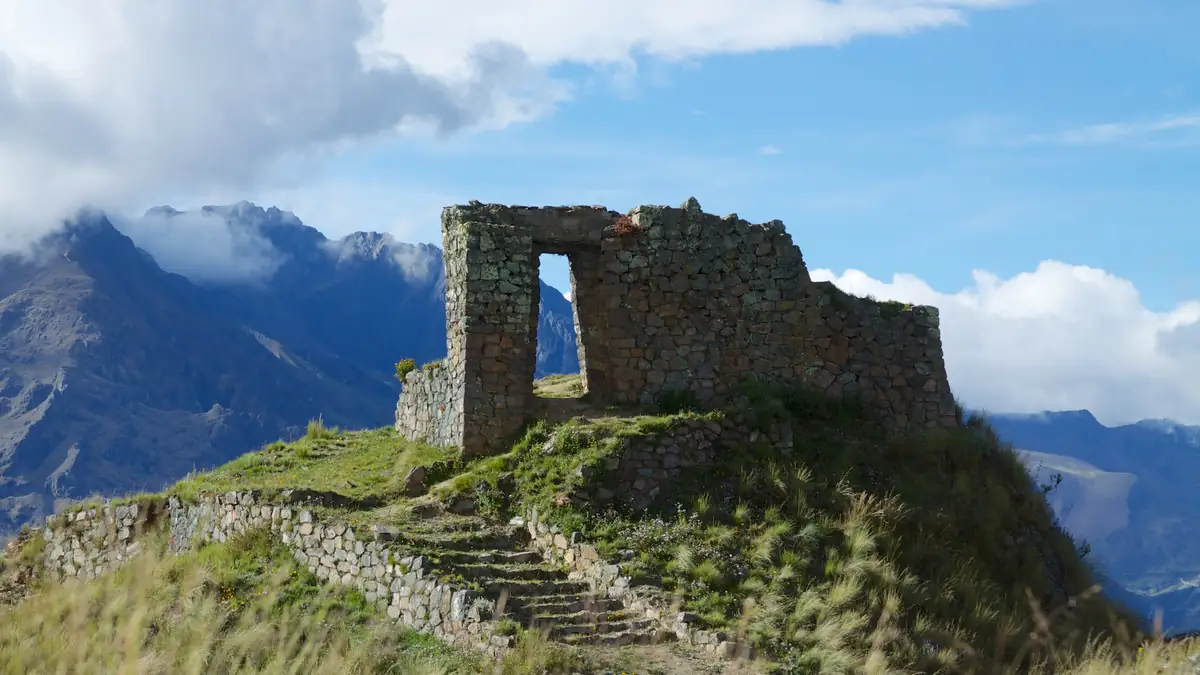
The short Inca Trail starts at Km 104 on the Urubamba, climbs in three to four hours to Wiñay Wayna, follows the original trail to the Sun Gate and reaches Machu Picchu in the afternoon – usually with a night in Aguas Calientes and a visit the next morning. One day of hiking instead of four, no tent, no Dead Woman's Pass, but the same arrival through Inti Punku. It also needs a permit, from its own smaller quota, which sells out less often.
Who it is for: anyone who wants the Sun Gate arrival but not three nights in a tent, no longer gets a four-day permit, or travels with children. We have not yet checked a product for the short trail; as soon as we do, it will appear here.
Without a permit there is no plan B on the trail itself. Anyone at Km 82 without a valid permit is turned away – booked tour or not. If an operator “guarantees” permits at short notice although the date is sold out, ask how. The alternatives without a quota are here: Salkantay, Lares, Choquequirao.
Questions about permits and tickets
Can I check availability myself?
Operators show remaining quotas per date on their websites, read from the state system. These figures are a good guide but not a reservation. Only the issued permit is binding.
Can I change the date?
Only while the permit has not been bought yet – often only in the first hours after booking. After that the date is fixed; a change means a new permit at full price, if one is available.
Do I need a Machu Picchu ticket on top?
No, both products compared here include entry. Inca Trail trekkers enter the site along the upper path of circuit 1; whether and which circuit follows in the main area is stated expressly by TreXperience (circuit 3) and not by Alpaca.
Are there permits for the Salkantay?
No. Salkantay, Lares and Choquequirao have no quota; only the Machu Picchu ticket at the end is personal and, in high season, also to be booked early.
Sources and check status
Show 4 sources
- www.gob.pe/sernanp – SERNANP: access regulation Machupicchu Historic Sanctuary, Inca Trail (accessed 23 September 2026)
- www.gob.pe/70649 – Ministerio de Cultura: Machu Picchu tickets, circuits and time slots (accessed 23 September 2026)
- www.viator.com/tours/Cusco/4-Day-Inca-Trail-Trek-to-Machu-Picchu-and-P – TreXperience: terms (non-refundable, manual check within 24 hours, passport details) (accessed 23 September 2026)
- www.viator.com/tours/Cusco/Classic-4-Day-Inca-Trail-Trek-to-Machu-Picc – Alpaca Expeditions: terms (non-refundable, minimum travellers) (accessed 23 September 2026)